



Put the busywork on autopilot
Integrations, automations, and agents that take the manual work out of how your business runs, whether that means connecting what you have or putting in what you need.





Three systems we build again and again.
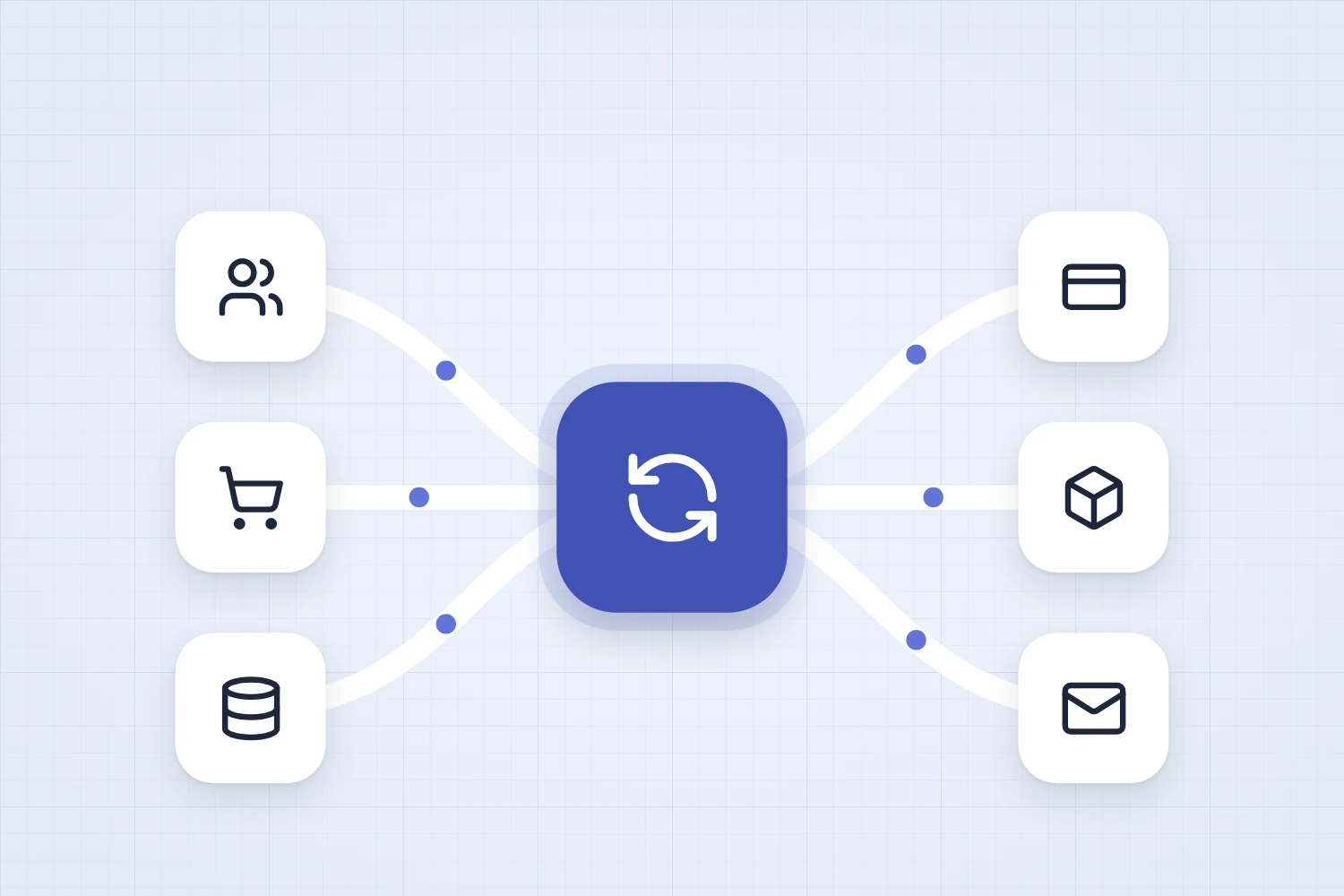
Data & System Integration
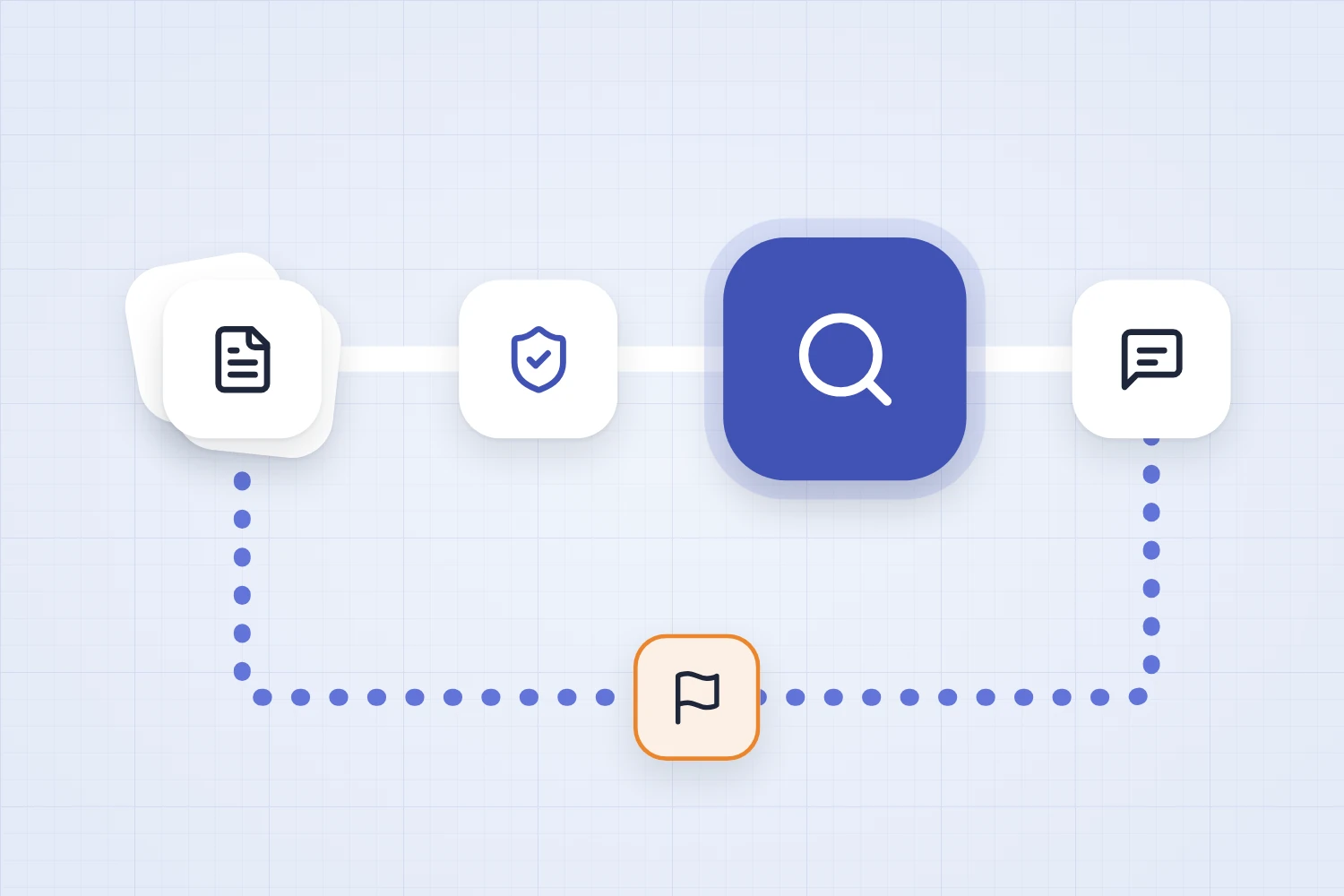
Knowledge Layer
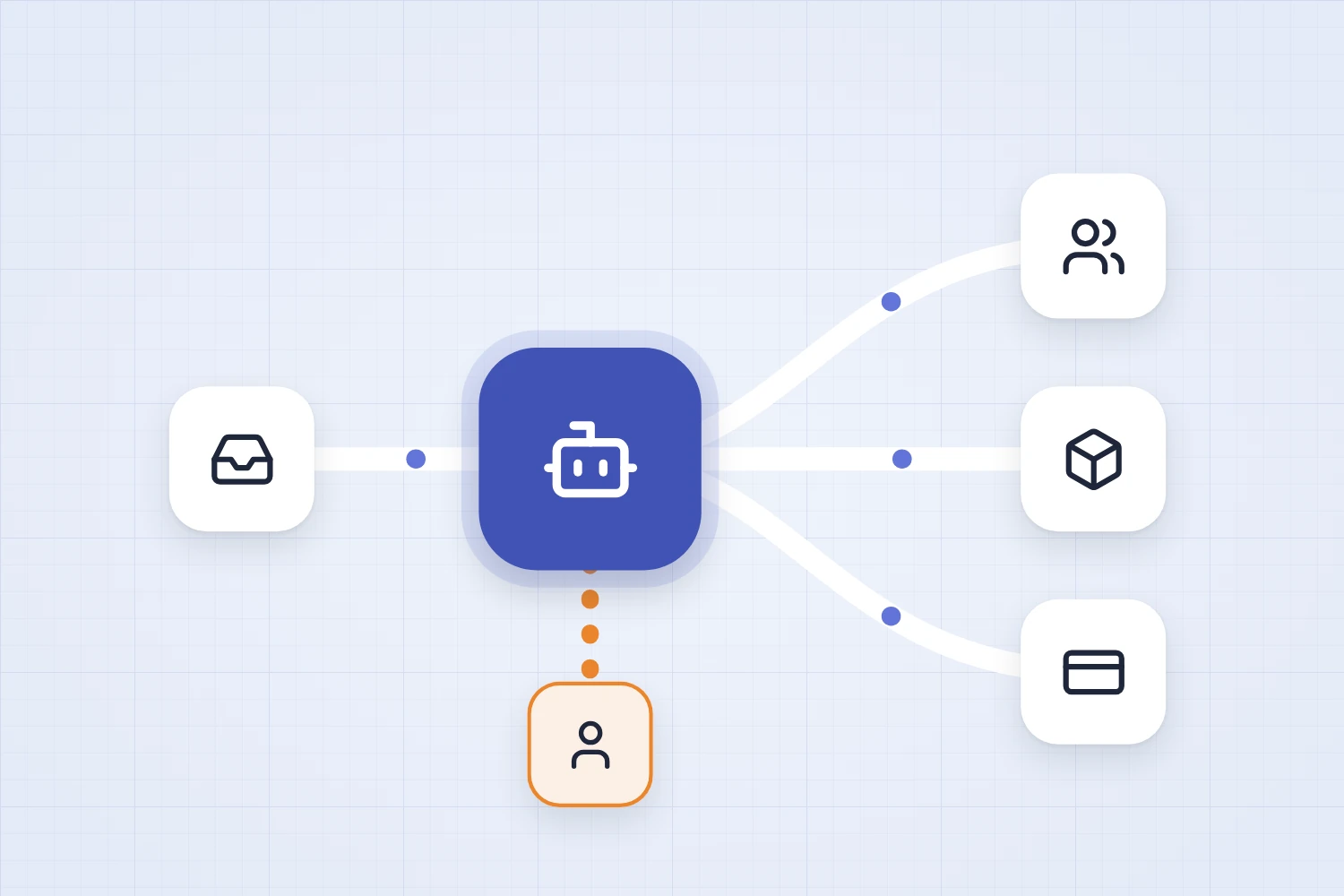
AI Agents
where are you on your ai journey?
Most companies are only scratching the surface of what’s possible using AI & automation. We can help move you along the learning curve.
AI as assistance
AI helps you go faster, but you’re still driving
AI as automation
Repeatable work that runs itself start to finish
AI with agency
AI makes the call and acts. People step in for exceptions.
The work we take off your plate
bottleneck? let’s fix it.
Bring the workflow that eats the most time. We’ll map how it runs today, what it touches, and what it would take to automate.


100,000 customers in 3 sytems with nobody in the middle
The finance team for Engine, a VC-backed travel management company, ran accounting in NetSuite, sales in Salesforce, and planning in Adaptive, with someone exporting and importing between each pair by hand. Invoicing was rebuilt on Tray.ai, collections was moved to a dedicated platform, Adaptive’s NetSuite connector was used to drive budget-to-actuals, and a daily dashboard replaced manual reporting. The time went into analysis and customer relationships.
Use the playbooks we use to plan better technology

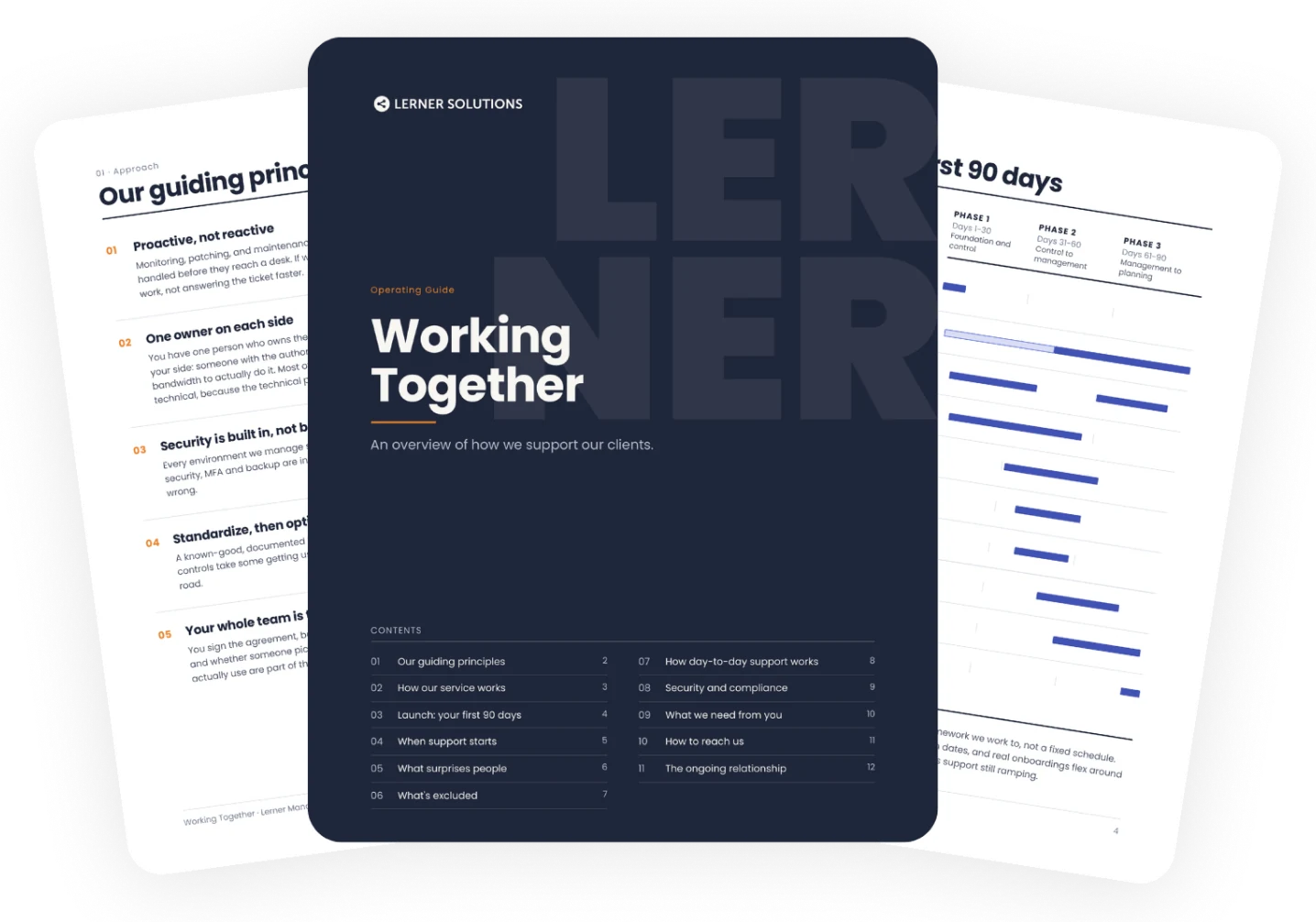
IT Playbook for Startups
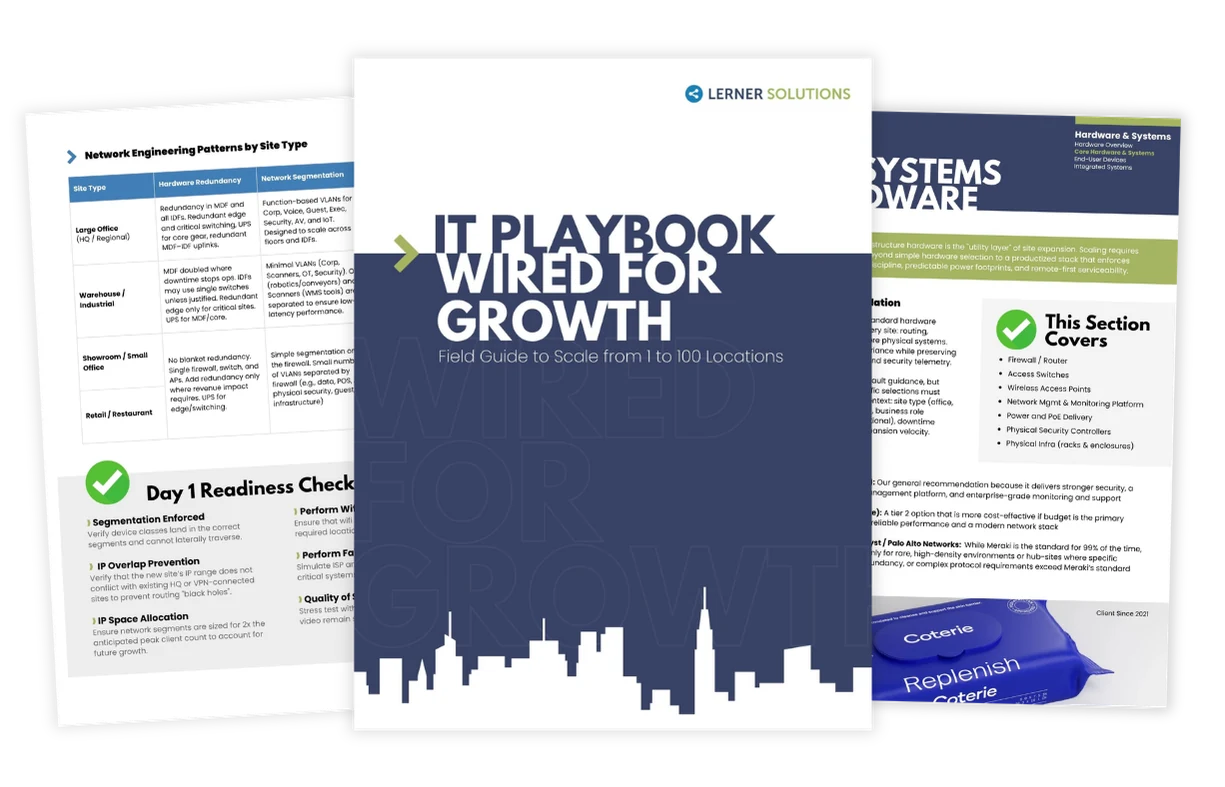
IT Design/Build: Wired for Growth
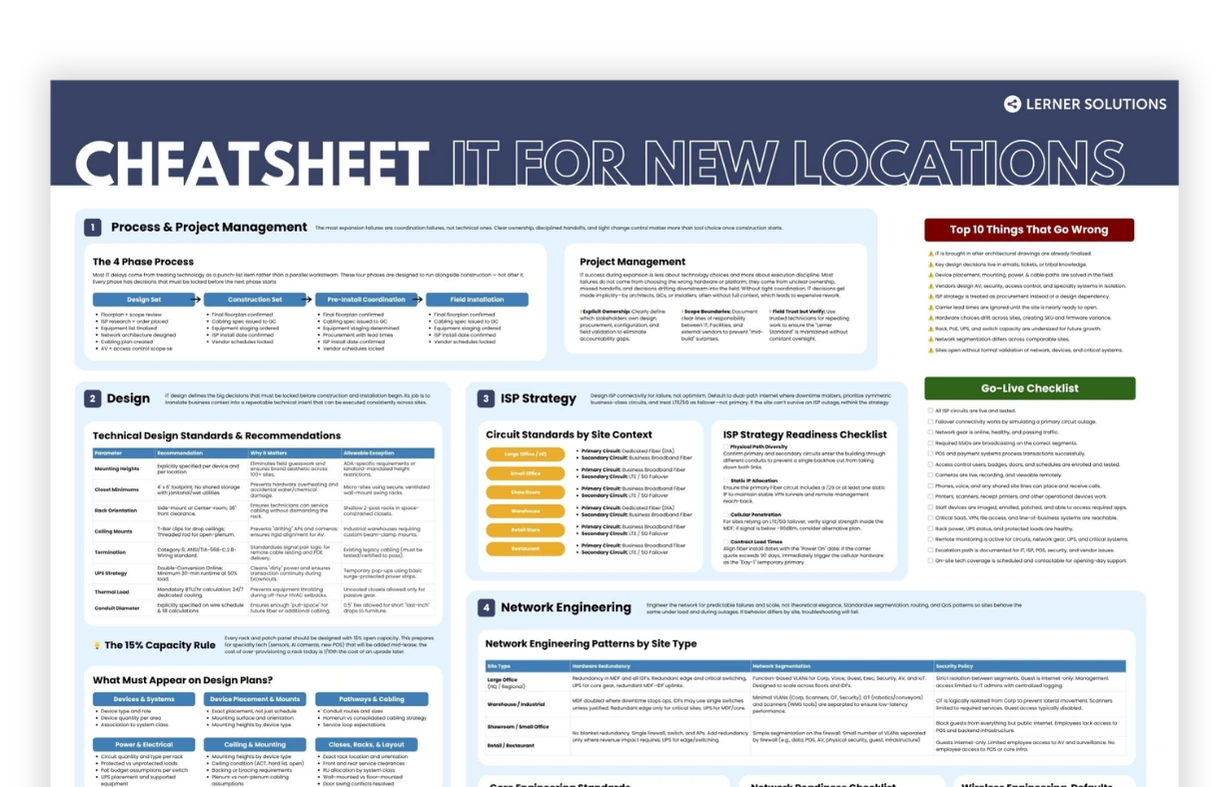
New Location Cheat Sheet
Before we talk, here's what most teams want to know.
Yes, and most companies are in the same spot. The first step is usually connecting the systems you already have so the data lines up. While that’s underway, we can build self-contained automations that don’t depend on it, so your team sees wins early.
With your business goals, not a tool. If you don’t have a clear list of where automation pays off, that’s what our AI Strategy Sprint produces: a map of how work moves today and a ranked list of what to build first.
Maybe not for everything. Plenty of clients have someone handy with AI tools, and that’s a good thing. We take on the heavier builds and integrations, set the standards and guardrails, and keep the DIY work from turning into something nobody can maintain.
It depends on the company and the industry, but a few come up again and again. Finance is a great place to start, and so is customer support: triage, dispatch and drafted responses. Many clients start by connecting the systems they already have, or by building a knowledge layer their team can actually trust.